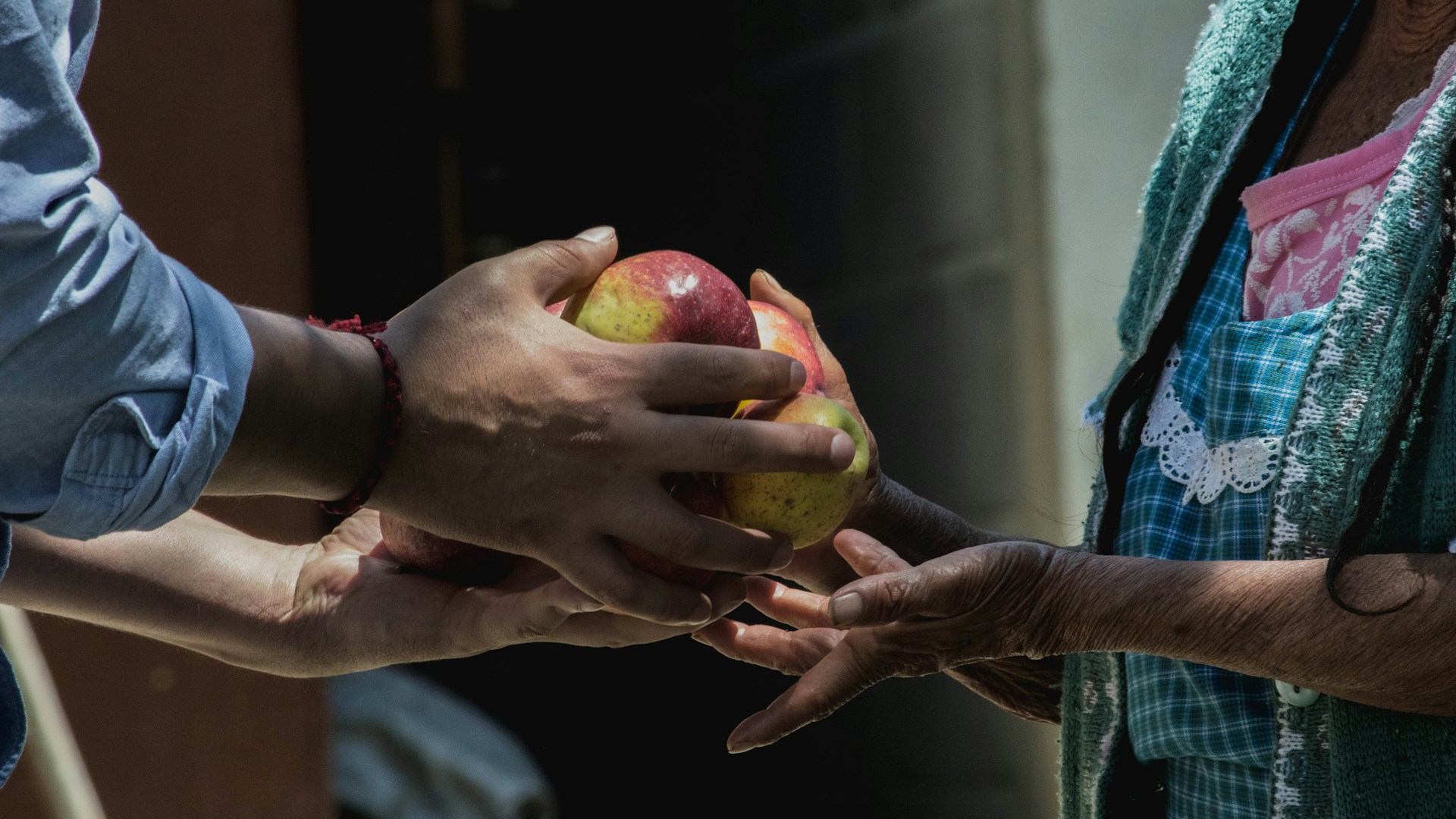
Imagine a practice that not only purifies your wealth but also strengthens your connection with your community and with Allah. For Muslims, this is not just an idea it’s a divine obligation known as Zakat, one of the five pillars of Islam. Yet, for many, understanding Zakat can feel complicated, leaving them unsure about how to calculate it, who it should reach, or how to integrate it into daily life.
Zakat is far more than charity; it is a mandatory act of worship that purifies both wealth and soul. As one of Islam’s five pillars, it represents a tangible way to practice empathy, fairness, and responsibility toward those in need. However, the rules surrounding Zakat such as who must pay, what qualifies, and how much to give can sometimes seem overwhelming.
This guide aims to simplify Zakat for every Muslim, turning what may seem like a complex obligation into a practical, actionable process. Whether you are new to understanding Zakat or looking to ensure your contributions are accurate and impactful, this article will provide clear explanations, step-by-step calculations, and practical tips to make fulfilling this pillar of Islam straightforward and meaningful.
What is Zakat?
In Islamic terms, Zakat is an obligatory form of almsgiving that purifies one’s wealth by dedicating a small portion to those in need. It is not optional; rather, it is a duty commanded by Allah, forming one of the five pillars of Islam. Unlike Sadaqah, which is voluntary charity given at any time and in any amount, Zakat has clearly defined rules regarding eligibility, amount, and recipients.
The spiritual significance of Zakat lies in its ability to cleanse the soul from greed and selfishness, reminding Muslims that wealth is a trust from Allah to be shared responsibly. Socially, Zakat strengthens communities by reducing poverty, supporting the vulnerable, and promoting economic balance. It is a tool for social justice and spiritual growth simultaneously.
Who Must Pay Zakat?
Not every Muslim is required to pay Zakat. To be eligible, one must meet certain conditions, including:
- Nisab: possessing wealth above a minimum threshold.
- Ownership period: wealth must have been in your possession for a full lunar year.
- Type of wealth: certain assets are subject to Zakat, including cash, gold, silver, business inventory, agricultural produce, and livestock.
Understanding these conditions ensures that Zakat is paid correctly and in line with Islamic guidance.
How to Calculate Zakat
Calculating Zakat may seem complicated, but it can be broken down into simple steps:
- Determine eligible assets – include cash, savings, investments, and other Zakatable items.
- Subtract debts – outstanding debts owed to others can be deducted.
- Apply the Zakat rate – typically 2.5% for cash and business assets; agricultural and livestock assets have different rates.
Example: If you have $10,000 in savings and no debt, your Zakat would be 2.5% of $10,000, which equals $250. Common mistakes include forgetting some assets, miscalculating percentages, or not considering liabilities.
Who Can Receive Zakat?
The Quran specifies eight categories of recipients (Surah At-Tawbah 9:60):
- The poor (al-fuqara)
- The needy (al-masakin)
- Zakat administrators
- Those whose hearts are to be reconciled
- Slaves seeking freedom
- Those in debt
- In the path of Allah
- Travelers in need
When distributing Zakat, it is important to prioritize needs in your local community while ensuring it reaches rightful recipients. This makes Zakat both effective and compliant with Islamic principles.
Practical Tips for Paying Zakat
To make Zakat manageable:
- Set reminders and track your wealth throughout the year.
- Decide between local charities or reputable international platforms for distribution.
- Utilize online calculators and apps to simplify calculations and ensure accuracy.
These practical measures help make paying Zakat a consistent and worry-free process.
Spiritual Benefits of Zakat
Zakat is more than a financial obligation it is a path to spiritual growth. Paying Zakat:
- Purifies wealth and soul, removing attachment to material possessions.
- Fosters empathy, generosity, and social responsibility.
- Strengthens community bonds, as seen in stories of the Prophet Muhammad (PBUH) and his companions, where Zakat alleviated hardship and promoted solidarity.
Common Questions & Misconceptions
Many Muslims have questions about modern Zakat practices:
- Installments: Zakat can be paid in parts if necessary, as long as the full amount is completed.
- Debt deduction: Only debts due before the calculation can reduce Zakatable wealth.
- Modern assets: Stocks, mutual funds, and even cryptocurrency may be subject to Zakat, depending on ownership and liquidity.
Understanding these clarifications ensures compliance and peace of mind.
Conclusion
Zakat is a powerful act of worship that intertwines spirituality with social responsibility. By understanding its rules, calculating it correctly, and distributing it wisely, Muslims can fulfill this pillar confidently and consistently. Integrating Zakat into daily life not only purifies wealth but also builds a compassionate, balanced, and thriving community.