

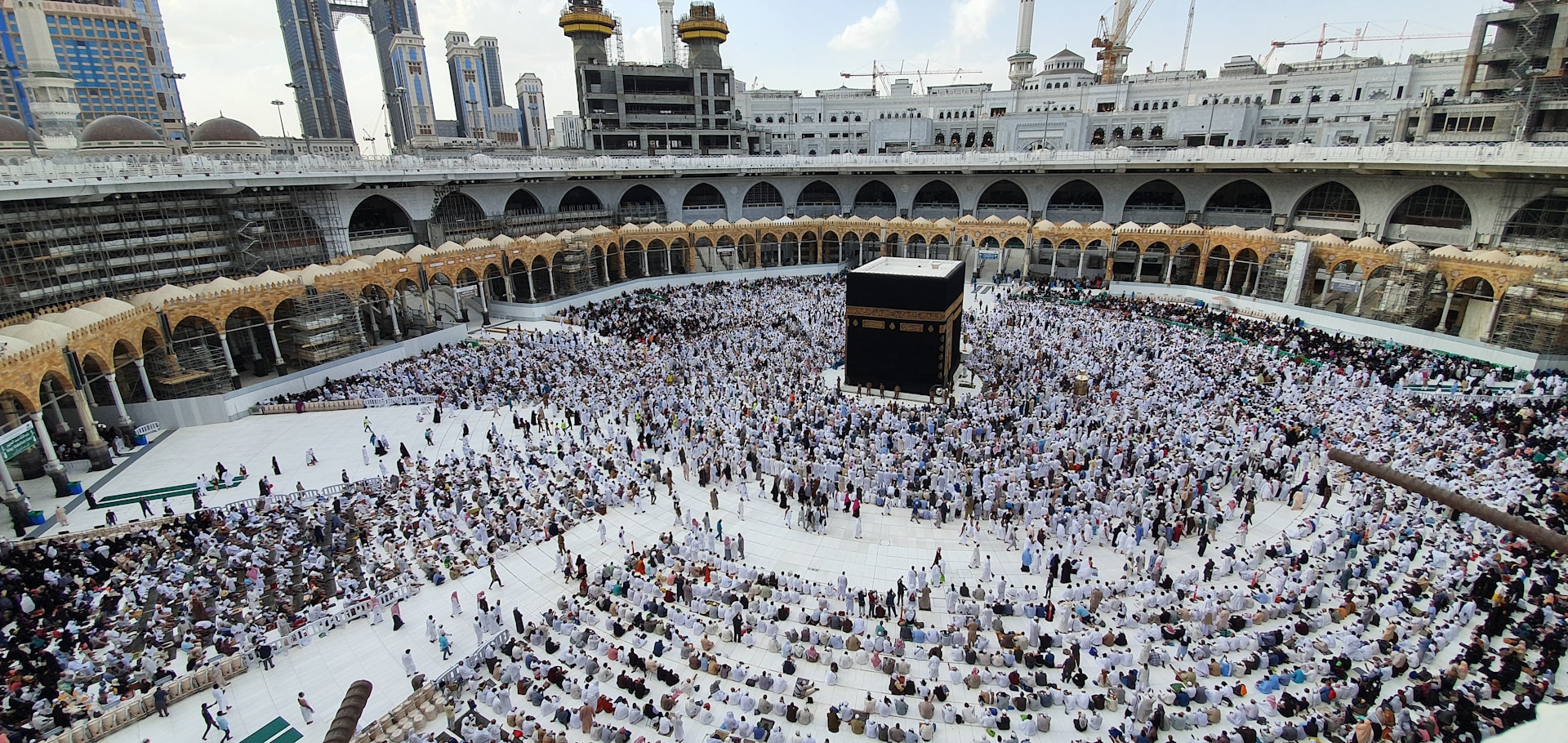
In a world often divided by differences of race, culture, and ideology, the timeless message of unity and brotherhood in Islam shines as a beacon of hope. From the bustling streets of modern cities to the quiet corners of remote villages, the principles of solidarity, mutual respect, and compassion remain as relevant today as they were over fourteen centuries ago.
Islam places profound emphasis on fostering a sense of community and interconnectedness among its followers. The Quran and Sunnah repeatedly guide believers to uphold harmony, support one another, and transcend divisions, reminding us that true strength lies in collective unity and sincere brotherhood.
This article delves into the wisdom of the Quran and the teachings of the Prophet Muhammad (peace be upon him), exploring how Islam nurtures bonds among Muslims and encourages humanity at large to embrace empathy, cooperation, and social cohesion. By understanding these principles, we can better navigate the complexities of modern life while fostering stronger, more compassionate communities.
Quranic Teachings on Unity and Brotherhood
At the heart of Islam lies the concept of Ummah, a term that signifies a united community bound by faith and shared values. The Quran emphasizes that Muslims are not isolated individuals but part of a larger family that carries collective responsibility for one another. Surah Al-Hujurat (49:10) beautifully illustrates this: “The believers are but brothers, so make settlement between your brothers. And fear Allah that you may receive mercy.” This verse underscores the idea that unity is both a spiritual obligation and a social necessity, guiding believers to maintain harmony and resolve disputes within the community.
Islam also teaches that all humans are equal in the sight of Allah, regardless of race, ethnicity, or social status. Surah Al-Hujurat (49:13) reminds us: “O mankind, indeed We have created you from male and female and made you peoples and tribes that you may know one another. Indeed, the most noble of you in the sight of Allah is the most righteous of you.” Here, piety (taqwa) is highlighted as the true measure of worth, emphasizing that moral and spiritual excellence, rather than worldly status, defines a person’s value.
The Quran further warns against discord, gossip, and enmity, which can fracture communities. Believers are encouraged to avoid backbiting, slander, and unnecessary disputes, while resolving conflicts peacefully to preserve unity. At the same time, Muslims are instructed to cooperate in righteousness and good deeds, supporting one another in times of need and striving collectively for the welfare of the community (Surah Al-Ma’idah 5:2).
Prophetic Teachings on Unity and Brotherhood (Sunnah)
The Prophet Muhammad (peace be upon him) reinforced the Quranic message by emphasizing brotherhood among Muslims. He stated: “None of you truly believes until he loves for his brother what he loves for himself.” This Hadith captures the essence of empathy, mutual support, and selflessness that sustains strong, compassionate communities.
Practical examples of unity are evident in community practices such as congregational prayers, the annual Hajj pilgrimage, and charitable acts. These gatherings foster solidarity, breaking down barriers of social class and ethnicity, and creating a sense of belonging among believers.
The Prophet also championed conflict resolution and forgiveness, often mediating disputes between companions and encouraging reconciliation over resentment. His guidance extended beyond Muslims, advocating mutual respect and inclusivity, treating neighbors, companions, and even non-Muslims with fairness and dignity. This approach laid the foundation for a harmonious, just society.
Lessons for Modern Society
The teachings of the Quran and Sunnah offer invaluable guidance for today’s multicultural and interconnected world. Applying these principles can help combat sectarianism, racism, and social fragmentation, promoting communities built on understanding, empathy, and respect.
Islamic unity emphasizes collective responsibility, encouraging individuals to support one another through volunteering, charitable initiatives, and community-building efforts. By adopting these practices, modern societies can foster cohesion and social welfare, reflecting the timeless wisdom of Islamic teachings.
Conclusion
The Quran and Sunnah offer profound guidance on the importance of unity and brotherhood, emphasizing equality, empathy, cooperation, and conflict resolution. By embracing these principles, believers can cultivate spiritual growth while contributing to harmonious, resilient communities.
In today’s world, marked by division and discord, these teachings remain a beacon of hope. Upholding unity and brotherhood is not only a religious duty but a path to social cohesion, mutual support, and a more compassionate society. Let us strive to embody these values in our daily lives, strengthening bonds within our communities and across humanity.