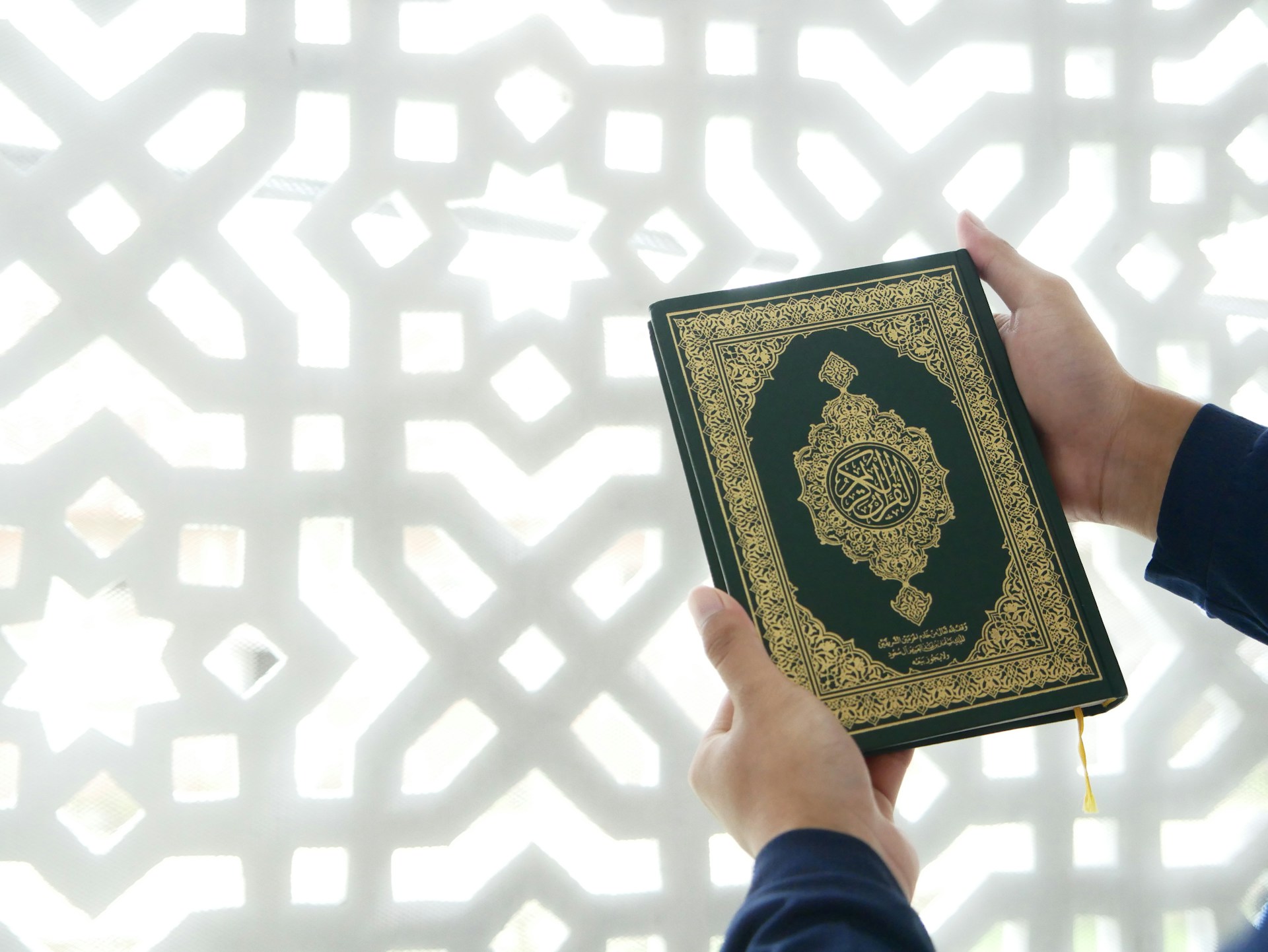
In the midst of life’s chaos, moments of calm can feel rare and fleeting. Yet, for millions of Muslims around the world, these moments are woven into daily life through Salah the five daily prayers that serve as both a spiritual anchor and a sanctuary for the mind. Beyond fulfilling a religious obligation, Salah offers a unique pathway to mental clarity, emotional balance, and inner peace.
Salah, or Islamic prayer, is widely recognized as a cornerstone of worship, guiding believers to connect with Allah through structured rituals, recitation, and physical postures. While its spiritual significance is profound, the benefits of Salah extend beyond the soul, touching the mind in powerful ways. Regular engagement in prayer has been shown to reduce stress, improve focus, and foster emotional resilience, offering a form of mental therapy accessible to anyone.
This article explores the healing power of Salah for the mind, examining how this sacred practice can nurture mental well-being, alleviate emotional strain, and cultivate a sense of inner calm in the fast-paced modern world. By understanding Salah as both a spiritual and therapeutic practice, we can appreciate its full potential to bring harmony to the mind and heart alike.
Understanding the Connection Between Salah and Mental Health
A. Definition and Significance of Salah
Salah is much more than a ritual; it is a holistic practice that engages the body, mind, and spirit. Physically, it involves a series of movements standing, bowing, prostrating, and sitting that gently stretch and relax the body. Mentally, it demands focus and reflection, encouraging believers to pause, center their thoughts, and become fully present. Spiritually, Salah strengthens the connection with Allah, fostering a sense of purpose and tranquility.
Central to this practice is niyyah, or intention. By consciously setting the intention before each prayer, Muslims cultivate mindfulness and deepen their awareness. This act of intentionality transforms Salah from a mechanical routine into a focused, meditative experience that nurtures both mental clarity and emotional calm.
B. Scientific and Psychological Perspectives
Modern research increasingly supports the mental health benefits of prayer and structured spiritual routines. Studies have shown that regular prayer can reduce stress, lower anxiety, and improve overall emotional well-being effects similar to those seen in mindfulness meditation and other relaxation practices. Additionally, the consistency of daily prayers provides a structured routine, which psychologists note can stabilize mood, reduce feelings of chaos, and enhance a sense of control over one’s life.
Mechanisms of Mental Healing Through Salah
A. Mindfulness and Presence
Salah naturally cultivates khushu, or deep concentration, requiring the worshipper to focus solely on the words and actions of prayer. This focus helps quiet the mind, reducing intrusive thoughts and fostering mental clarity. By immersing oneself fully in the prayer, the mind learns to be present, promoting mindfulness that extends beyond the moments of worship.
B. Stress Relief and Emotional Regulation
The physical postures of Salah, particularly ruku (bowing) and sujood (prostration), encourage relaxation and release of tension in the body. Combined with the rhythmic recitation of Qur’anic verses, these movements stimulate the nervous system in ways that can reduce stress and promote a sense of calm and emotional balance.
C. Reflection and Self-Awareness
Salah also provides regular intervals for muhasabah, or self-accountability, encouraging reflection on one’s actions, intentions, and emotions. Through this process, believers can cultivate gratitude, recognize areas for self-improvement, and build emotional resilience. The act of submitting to a higher power nurtures humility and acceptance, contributing to long-term mental stability.
The Role of Dhikr and Supplication in Mental Health
In addition to the structured movements of Salah, the incorporation of dhikr (remembrance of Allah) and du’a (supplication) adds a profound layer of emotional support. Dhikr calms the mind, anchors attention, and reinforces spiritual connection, while du’a serves as an emotional release, allowing believers to express worries, hopes, and gratitude. This combination strengthens optimism, fosters hope, and creates a coping mechanism for dealing with stress or uncertainty.
Integrating Salah into Daily Life for Mental Wellness
Making Salah a consistent part of daily life can act as a stabilizing force for mental health. Establishing fixed prayer times provides structure, while focusing on mindfulness during each prayer enhances its therapeutic effects. Complementary practices, such as deep breathing, meditation, and reflection outside of prayer, can further reinforce these mental health benefits. Small adjustments, like eliminating distractions and setting aside quiet spaces for worship, can also improve concentration and emotional engagement during Salah.
Real-Life Experiences and Case Studies
Numerous individuals testify to the mental peace and resilience they experience through consistent prayer. Scholars and psychologists alike have observed that the combination of ritual, reflection, and remembrance creates a profound mind-body-spirit connection. People who practice Salah regularly often report reduced anxiety, better emotional regulation, and a stronger sense of purpose demonstrating how spiritual practices can complement conventional mental health strategies.
Conclusion
Salah is far more than a religious obligation; it is a powerful tool for mental and emotional well-being. By engaging the body, focusing the mind, and nurturing the spirit, Salah provides structure, mindfulness, and inner peace in the midst of life’s challenges. Recognizing the therapeutic aspects of prayer encourages a holistic approach to mental health, reminding us that spiritual practices and mental wellness are deeply interconnected. Ultimately, Salah offers a pathway not only to spiritual growth but also to a resilient, balanced, and serene mind.