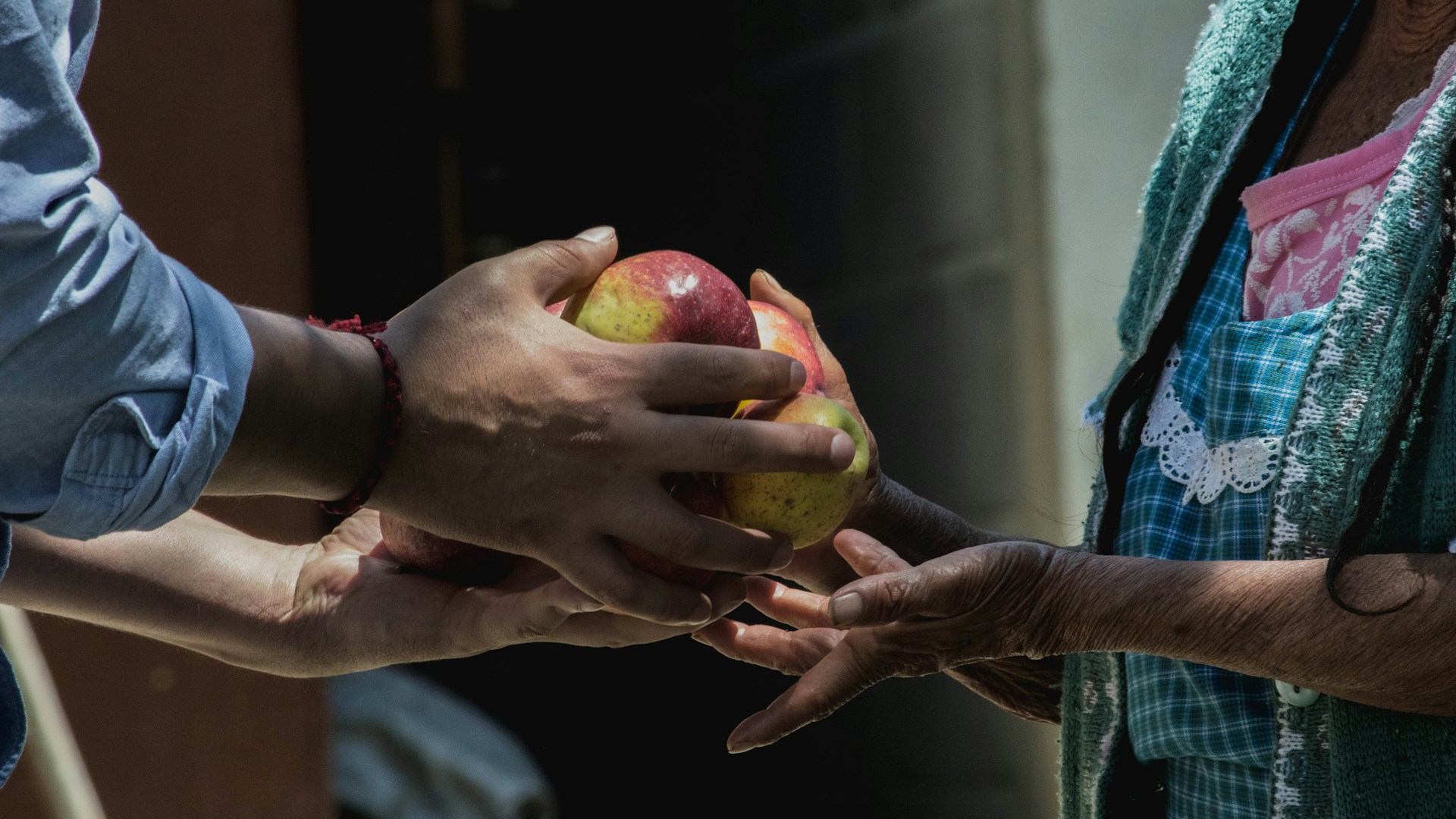
In Islam, giving is more than just an act of generosity it is a pathway to spiritual growth, social justice, and community empowerment. Every act of charity, whether small or large, has the power to transform lives and build a more compassionate society.
Charity holds a central place in Islamic teachings. It is not only a means of helping those in need but also a way to purify wealth, strengthen communities, and earn immense spiritual reward. Through charitable acts, Muslims contribute to a society where support, empathy, and equity thrive. Yet, not all charity is the same. Islam outlines specific forms of giving, each with its unique purpose and impact: Sadaqah (voluntary charity), Zakat (obligatory almsgiving), and Waqf (endowments for long-term benefit). Understanding the differences between these forms of charity is key to maximizing both personal and societal benefit. In this article, we will explore the distinctions between Sadaqah, Zakat, and Waqf, highlighting how each serves the broader vision of compassion and justice in Islam.
Sadaqah
Sadaqah refers to voluntary charity in Islam, given beyond the obligatory duties. Unlike other forms of giving, Sadaqah is entirely flexible it can take many forms, whether monetary or non-monetary, including acts of kindness, helping someone with their work, or offering time and effort to those in need. This form of charity embodies the spirit of generosity, emphasizing intention over the amount or form of giving.
One of the defining characteristics of Sadaqah is its voluntary nature. There is no minimum or maximum requirement, and it can be given to anyone, at any time, in any situation. This flexibility makes Sadaqah a powerful tool for fostering compassion and strengthening social bonds within communities.
The benefits of Sadaqah are both spiritual and social. On a personal level, it purifies the heart and wealth, earning blessings from Allah. On a societal level, it fosters empathy, cooperation, and a sense of shared responsibility. Everyday acts, such as donating to the poor, feeding the hungry, or helping a neighbor, are simple yet profound examples of Sadaqah in action. These acts, though small individually, collectively contribute to a more caring and resilient society.
Zakat
Zakat is the obligatory form of charity and one of the Five Pillars of Islam. It requires Muslims to donate a fixed portion of their wealth usually 2.5% of accumulated savings and certain assets once a year. This structured approach to giving ensures that wealth circulates within the community, supporting those who are vulnerable and in need.
Eligibility for Zakat depends on reaching the nisab, the minimum wealth threshold, and it applies only to specific types of wealth, including savings, business assets, and gold or silver. This precise framework ensures fairness and consistency in giving, reinforcing both personal responsibility and social equity.
The primary purpose of Zakat is to redistribute wealth, support the needy, and reduce economic disparities. It strengthens community welfare by ensuring that basic needs, such as food, shelter, and debt relief, are met. Examples include giving Zakat to the poor, helping orphans, or paying off someone’s debts, all of which contribute to a more just and balanced society.
Waqf
Waqf is a long-term charitable endowment, often in the form of property, land, or other assets dedicated to a religious or social cause. Unlike Sadaqah or Zakat, Waqf is designed to provide continuous benefit to the community, generating sustainable and long-term rewards for both the beneficiaries and the donor.
The key characteristic of Waqf is its permanence. Once established, the endowed asset serves a specific purpose indefinitely, whether as a mosque, school, hospital, or public utility project. Waqf can be institutional, supporting large-scale community projects, or smaller-scale, serving local needs.
The purpose of Waqf is to provide lasting community support while offering Sadaqah Jariyah—ongoing charity whose rewards continue long after the initial donation. Examples include building schools, hospitals, water wells, or mosques, which serve countless people over generations, leaving a lasting legacy of goodwill and social impact.
Key Differences Between Sadaqah, Zakat, and Waqf
| Aspect | Sadaqah | Zakat | Waqf |
| Nature | Voluntary | Obligatory | Permanent endowment |
| Timing | Anytime | Annual | Continuous |
| Amount | Any amount | Fixed % (2.5%) | Varies, often large assets |
| Beneficiaries | Anyone in need | Eligible poor & needy | Community projects |
| Purpose | Spiritual reward, help others | Wealth purification, social justice | Sustainable benefit, Sadaqah Jariyah |
Conclusion
Charity in Islam is multifaceted, with Sadaqah, Zakat, and Waqf each serving unique but complementary roles. Sadaqah offers flexibility and immediacy in helping others, Zakat ensures obligatory wealth redistribution and social justice, and Waqf provides lasting community benefits. Together, these forms of charity cultivate compassion, strengthen social bonds, and create enduring positive impact. By engaging in all three, Muslims can fulfill their spiritual duties while contributing to the well-being of society for generations to come.