Every curve, every stroke, every carefully balanced letter of Arabic calligraphy tells a story not just of language, but of faith, culture, and devotion. It is an art form where beauty meets meaning, and where the act of writing transcends the page to touch the soul.
Arabic calligraphy is more than elegant script; it is a living expression of art, culture, and spirituality intertwined. From the flowing curves of Naskh to the bold geometric lines of Kufic, this timeless art form has captured the hearts of scholars, artists, and devotees for centuries. Rooted deeply in Islamic tradition, calligraphy has long been a sacred medium for preserving the words of the Quran, transforming written language into a visual and spiritual experience.
In this article, we will explore Arabic calligraphy not only as a visual art but as a reflection of spiritual devotion and cultural identity. We’ll delve into its history, examine its artistic principles, and uncover the profound ways in which each stroke serves as a bridge between the material and the divine. Whether you are an art enthusiast, a spiritual seeker, or simply curious, this journey through Arabic calligraphy promises to reveal how art and spirituality can beautifully converge.
History of Arabic Calligraphy
A. Origins and Early Development
Arabic calligraphy traces its roots back to pre-Islamic scripts such as Nabataean and early Kufic inscriptions. These early forms were functional, primarily used for recording trade, administrative documents, and monumental inscriptions. With the advent of Islam, Arabic calligraphy began to evolve into a highly revered art form, gaining a spiritual dimension as it became the primary medium for recording the words of the Quran. Over time, the script developed in elegance, precision, and variety, reflecting both the linguistic and artistic aspirations of Islamic civilization.
B. Influence of the Quran
The Quran played a pivotal role in shaping Arabic calligraphy. Beyond its role as a sacred text, the Quran inspired calligraphers to elevate their craft, transforming each verse into a work of art. The meticulous rendering of Quranic verses became an act of devotion, with each stroke executed with reverence and care. This sacred association not only preserved the text but also imbued calligraphy with a profound spiritual significance, making the act of writing a bridge between the human and the divine.
C. Key Historical Styles
Throughout history, Arabic calligraphy has produced a variety of styles, each with its own aesthetic and cultural significance. Kufic, characterized by its angular, geometric forms, was widely used in early Quranic manuscripts. Naskh, known for its clarity and fluidity, became the standard for everyday writing and printing. Thuluth, with its large, elegant letters, adorned mosque walls and monumental inscriptions, while Diwani, with its intricate curves, became popular in royal decrees and official documents. Over centuries, regional variations flourished, reflecting the diverse cultural influences across the Islamic world.
Spiritual Significance of Arabic Calligraphy
A. Connection to the Divine
Arabic calligraphy is more than visual beauty it is a spiritual practice. For many calligraphers, writing is an act of worship, a meditative process in which the mind, heart, and hand unite in devotion. The precision and patience required to craft each letter transform the act of writing into a contemplative ritual, where every stroke becomes a reflection of inner discipline and reverence.
B. Symbolism in Forms and Patterns
Calligraphy often intersects with other elements of Islamic art, such as geometric patterns, floral motifs, and abstract forms. These designs are not mere decoration; they carry symbolic meaning, representing infinity, unity, and the divine order. In this way, Arabic calligraphy transcends literal communication, becoming a visual language that conveys spiritual truths and philosophical concepts.
C. Mindfulness and Reflection
The creation and observation of calligraphy cultivate mindfulness and reflection. Artists immerse themselves in a focused state of concentration, while viewers are invited to pause, contemplate, and engage with the text beyond its literal meaning. This meditative quality enhances both the aesthetic and spiritual experience, making calligraphy a tool for inner growth and spiritual awareness.
Artistic Aspects of Arabic Calligraphy
A. Tools and Techniques
Traditional Arabic calligraphy relies on simple but precise tools: reed pens (qalam), ink, and paper. Mastery of these instruments requires years of practice, as the pressure, angle, and flow of the pen influence the elegance of each letter. Today, modern adaptations include digital calligraphy, allowing artists to preserve traditional aesthetics while exploring innovative designs.
B. Principles of Beauty and Harmony
The beauty of Arabic calligraphy lies in its balance, proportion, and rhythm. Every curve, spacing, and angle is carefully considered to create harmony between letters and words. Decorative elements, such as flourishes and embellishments, often complement the script, merging textual meaning with visual elegance.
C. Contemporary Calligraphy
Contemporary calligraphers continue to innovate, blending traditional techniques with modern artistic expressions. Exhibitions, installations, and cross-cultural collaborations showcase calligraphy in new contexts, expanding its reach and reaffirming its relevance in the global art scene.
Arabic Calligraphy in Daily Life
A. Architectural Integration
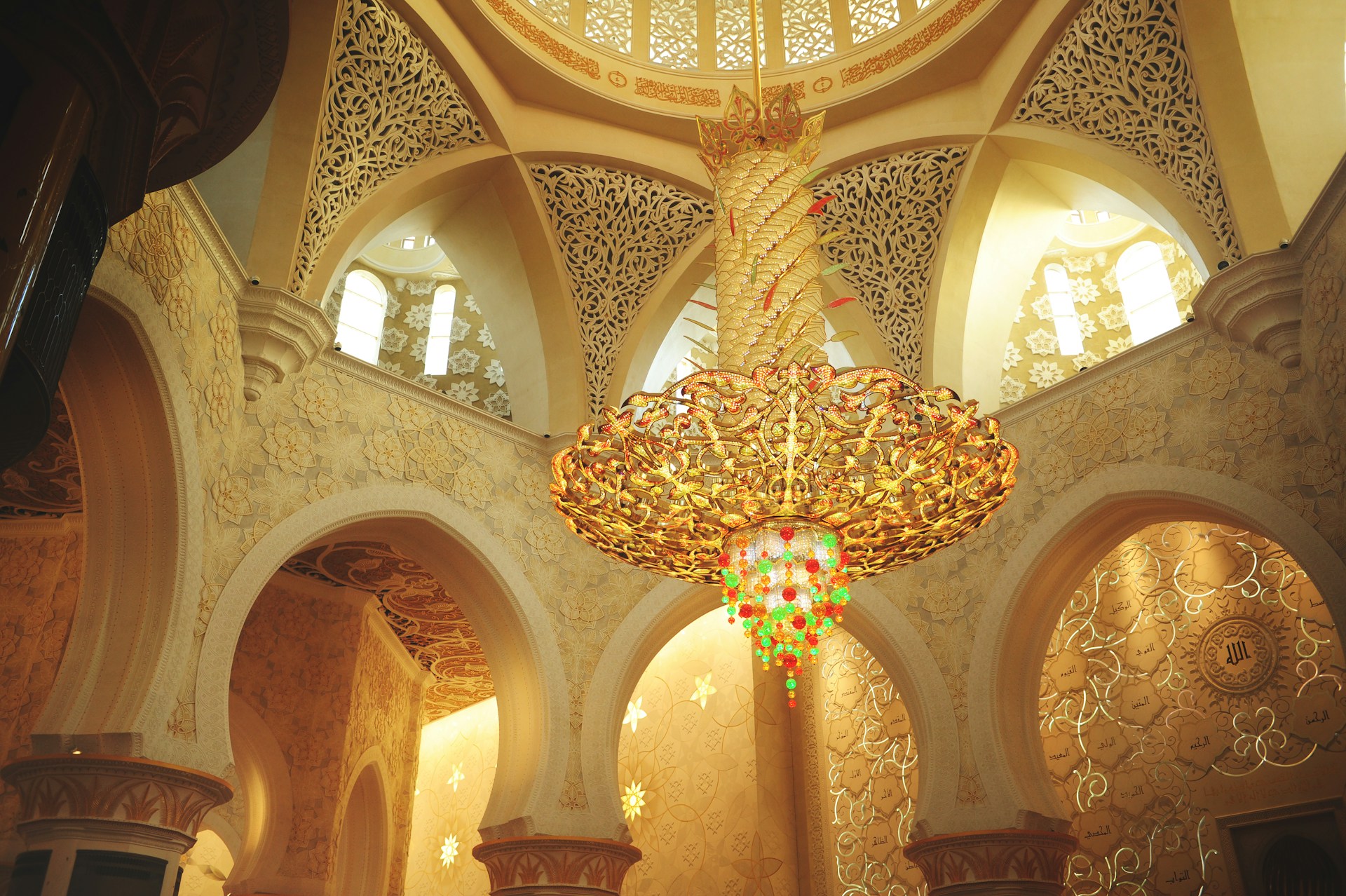
Arabic calligraphy is a defining feature of Islamic architecture. Mosques, palaces, and public monuments are adorned with inscriptions that enhance the sacred and aesthetic atmosphere. The placement and design of these inscriptions are carefully considered to harmonize with architecture, guiding the viewer’s eye and elevating the spiritual experience.
B. Decorative and Functional Art
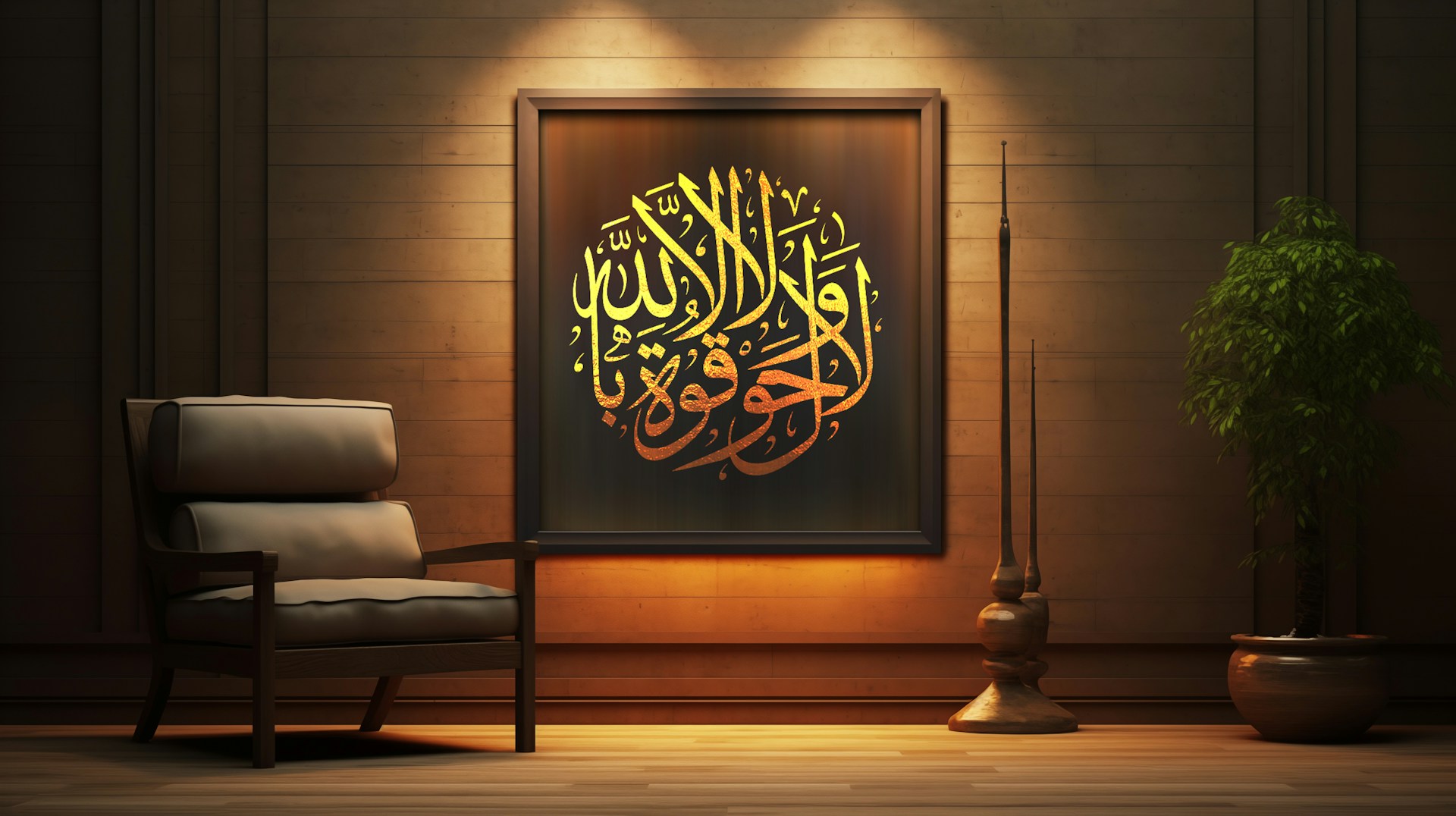
Beyond architecture, calligraphy is integrated into everyday life through home décor, textiles, ceramics, and personal items. Its presence bridges the traditional and the contemporary, serving both decorative and functional purposes while maintaining a connection to spiritual and cultural identity.
Learning and Practicing Arabic Calligraphy
A. Schools and Master Calligraphers
Traditionally, calligraphy has been taught through apprenticeships under master calligraphers, emphasizing discipline, precision, and spiritual focus. Today, schools and workshops worldwide continue to nurture this art, ensuring the transmission of both technical skills and cultural heritage.
B. Spiritual Practice Through Learning
Learning Arabic calligraphy is inherently a spiritual journey. Patience, concentration, and mindfulness are essential qualities cultivated through practice. For many, the process fosters personal growth, inner peace, and a deeper appreciation for the intertwining of art and devotion.
Conclusion
Arabic calligraphy stands at the unique crossroads of art, culture, and spirituality. It preserves language, expresses devotion, and beautifies the world, remaining as relevant today as it was centuries ago. Whether through historic manuscripts, architectural inscriptions, or contemporary creations, calligraphy invites us to pause, reflect, and appreciate the profound harmony between form, meaning, and the divine. By exploring and engaging with this art form, we not only celebrate its aesthetic brilliance but also experience the timeless spiritual connection it embodies.