

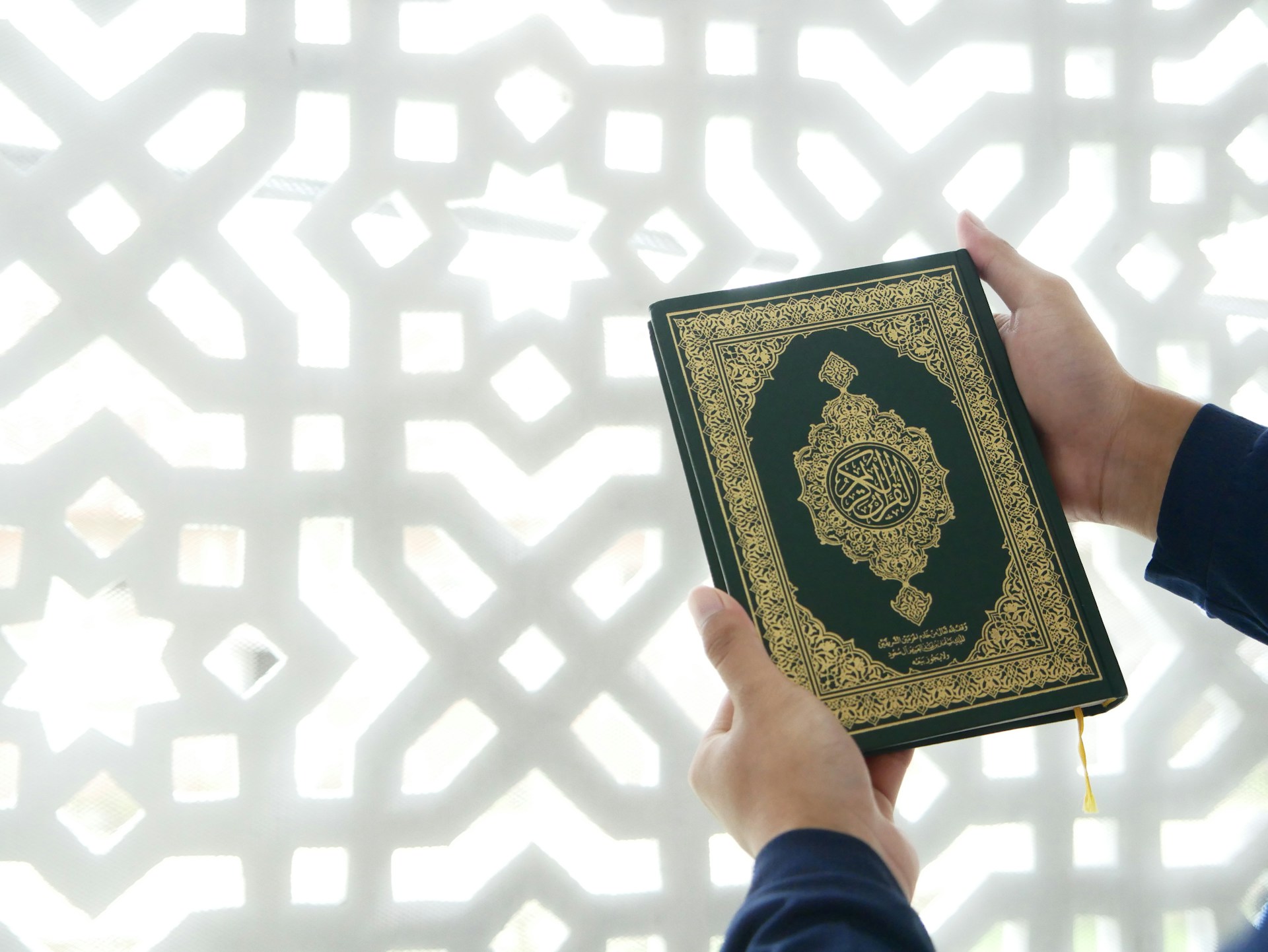
In today’s fast-paced world, feelings of worry, tension, and unease have become almost unavoidable. Anxiety has silently crept into the lives of millions, affecting not just mental health but physical and emotional well-being as well. While modern medicine offers various treatments, many are seeking holistic and spiritual approaches that address anxiety at its root, providing lasting peace and resilience.
Islam, with its profound guidance and wisdom, offers timeless tools to navigate life’s uncertainties. The Quran, in particular, is filled with teachings that encourage trust, patience, and mindfulness qualities that are essential for overcoming anxiety. By turning to these teachings, believers can find practical and spiritual strategies to calm the mind, strengthen the heart, and regain a sense of balance in life.
This article explores how Quranic guidance can serve as a powerful companion for anyone striving to manage anxiety, blending spiritual insight with practical application for modern challenges.
Understanding Anxiety in an Islamic Context
Anxiety, known in Arabic as qalq, is more than just occasional worry or nervousness it is a state of inner restlessness and unease that can affect both the mind and body. From a psychological perspective, it is a natural response to stressors, but when persistent, it can become debilitating. In Islam, anxiety is acknowledged as part of the human experience. The Quran and Hadith recognize that life is full of trials, and feelings of fear or stress are natural responses to uncertainty.
Even the Prophets and their companions experienced moments of worry and concern. For example, Prophet Yunus (Jonah) faced despair in the belly of the whale, and Prophet Muhammad ﷺ experienced moments of stress during times of conflict and societal challenges. These examples highlight that anxiety is not a sign of weak faith, but rather an opportunity to strengthen reliance on Allah.
Central to Islamic teachings is Tawakkul, or trust in Allah. This principle encourages believers to take practical steps in life while maintaining confidence that outcomes ultimately rest in Allah’s hands. By fostering this trust, individuals can reduce excessive worry and cultivate inner peace, recognizing that every situation is part of a greater divine plan.
Core Quranic Teachings for Overcoming Anxiety
1. Tawakkul (Trust in Allah)
Trusting in Allah is a cornerstone of Islamic coping strategies. The Quran reminds believers: “And when you have decided, then rely upon Allah. Indeed, Allah loves those who rely upon Him.” (Surah Al-Imran 3:159) and “Indeed, Allah is with those who are patient.” (Surah At-Talaq 65:3). By embracing tawakkul, overthinking and fear of outcomes diminish, as one understands that ultimate control rests with the Creator.
2. Dhikr (Remembrance of Allah)
Regular remembrance of Allah has a profound calming effect on the heart. As the Quran states: “Indeed, in the remembrance of Allah do hearts find rest.” (Surah Ar-Ra’d 13:28). Simple practices like reciting short verses, praising Allah, or repeating SubhanAllah, Alhamdulillah, and Allahu Akbar can help center the mind and reduce anxiety throughout the day.
3. Prayer and Supplication (Salah & Dua)
Structured prayer provides both spiritual solace and psychological structure. Turning to Allah through dua, especially in moments of stress, fosters a sense of control and relief. Examples of powerful duas for anxiety include seeking protection, guidance, and peace, as taught by the Prophet ﷺ. This spiritual routine helps create rhythm and stability in daily life.
4. Gratitude and Patience (Shukr & Sabr)
Focusing on blessings (shukr) and practicing patience (sabr) are powerful tools against worry. By appreciating what one has and maintaining patience during trials, the mind is less consumed by fear or dissatisfaction. The Quran emphasizes this: “And We will surely test you with something of fear and hunger and a loss of wealth and lives and fruits, but give good tidings to the patient.” (Surah Al-Baqarah 2:155-157).
Practical Steps to Apply Quranic Teachings
Implementing these teachings can be done through simple, consistent habits:
- Create a daily routine that includes Quranic recitations and dhikr.
- Maintain a journal to reflect on verses related to trust, patience, and gratitude.
- Seek guidance from Islamic scholars or community members during periods of heightened anxiety.
- Combine spiritual practices with professional mental health support if anxiety becomes overwhelming.
Stories and Examples
Historical accounts of Prophets and Sahaba demonstrate the effectiveness of faith during stressful times. Prophet Ayyub (Job) endured immense trials with patience and unwavering trust in Allah. Similarly, contemporary believers report turning to Quranic recitation and prayer to navigate stressful careers, studies, or personal challenges, finding tangible relief and mental clarity. These stories underscore that anxiety is universal, but faith provides a powerful means to overcome it.
Conclusion
Quranic teachings offer both spiritual and practical strategies to manage anxiety. By cultivating trust in Allah, practicing remembrance, engaging in prayer, and embracing gratitude and patience, individuals can regain inner peace and emotional resilience. Integrating these teachings into daily life not only alleviates worry but nurtures a balanced and mindful approach to life’s challenges. Ultimately, the path to overcoming anxiety lies in harmonizing faith with action, finding calm and confidence through the timeless guidance of the Quran.