

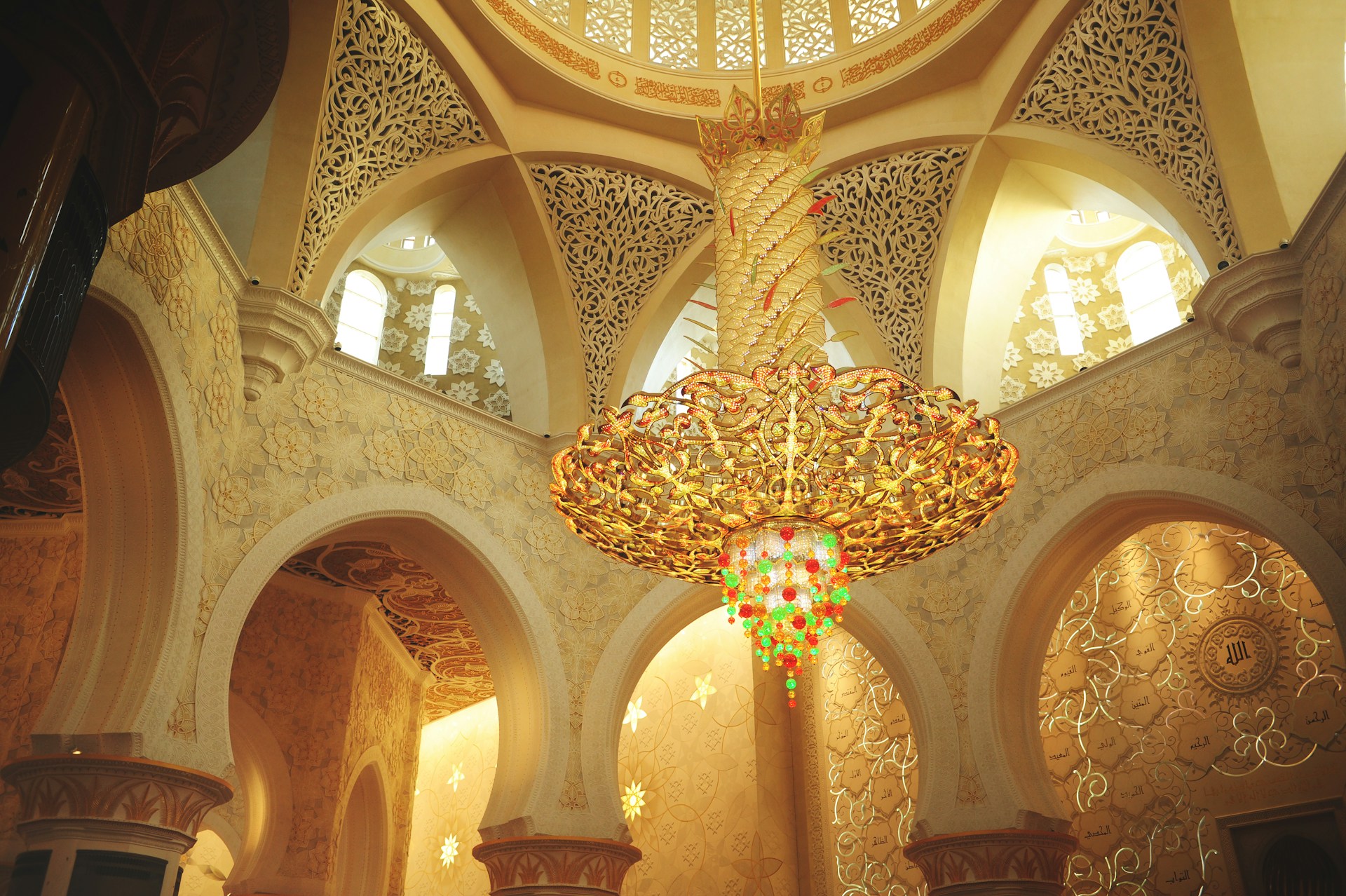
Step into any historic mosque, palace, or traditional Islamic manuscript, and your eyes are immediately drawn to a mesmerizing tapestry of shapes, patterns, and symmetries. These are Islamic geometric designs a visual language that transcends mere decoration to tell a story of order, balance, and spirituality. From intricate tile work in Morocco to the soaring domes of Ottoman mosques, these patterns are everywhere, reflecting a culture that deeply reveres the harmony of the universe.
In Islamic tradition, geometry is more than mathematics it is a symbolic expression of the divine, an artistic bridge connecting the physical and the spiritual. Every circle, star, and interlaced motif carries layers of meaning, guiding the observer toward contemplation and appreciation of the infinite.
This article will explore the deeper meanings behind Islamic geometric designs, uncovering how they represent spiritual truths, philosophical ideas, and the timeless pursuit of beauty and balance in Islamic art and architecture.
Historical Background
Islamic geometric patterns have a rich history that traces back centuries, emerging as a distinctive feature of Islamic art around the 7th century. While Islamic culture developed these designs into a sophisticated visual language, the roots of geometric decoration can be traced to pre-Islamic civilizations, including the Sassanian Empire, Byzantine art, and ancient Mesopotamia. These early influences, combined with advances in mathematics and astronomy within the Islamic world, laid the foundation for the precise and intricate patterns that would later define Islamic artistry.
During the Abbasid Caliphate, geometric designs became prominent in architecture, with mosques and palaces showcasing elaborate tile work and decorative motifs. The Moorish period in Spain brought forth iconic examples, such as the Alhambra, where tessellated designs cover walls and ceilings with mesmerizing symmetry. Later, the Ottoman Empire elevated the art form further, integrating geometric patterns with floral and calligraphic elements to create visually stunning interiors that balanced mathematical rigor with artistic elegance.
Core Principles of Islamic Geometric Designs
At the heart of Islamic geometric art are three guiding principles: repetition, symmetry, and tessellation. These elements create a sense of harmony and rhythm, drawing the observer into a visual experience that feels both orderly and infinite. Circles, stars, and polygons dominate the patterns, each carrying symbolic weight. Circles represent unity and the eternal, stars often signify guidance and divine light, and polygons especially eight- or twelve-pointed stars symbolize balance and perfection.
Mathematics plays a critical role in the creation of these designs. Precise proportions, careful measurements, and an understanding of geometry allow artists to craft patterns that repeat infinitely, suggesting both the infinite nature of the universe and the perfection of divine creation.
Spiritual and Philosophical Significance
Islamic geometric patterns are not merely decorative they serve as visual reflections of spiritual concepts. The repetition and infinity of patterns are a metaphor for the boundless nature of Allah, reminding viewers of divine omnipresence. The careful symmetry and balance express the unity and harmony inherent in the natural and spiritual worlds.
Many scholars and worshippers have noted that observing or creating these patterns encourages meditation and contemplation. By focusing on the intricate details and repeating motifs, one can enter a state of mindfulness, connecting more deeply with the divine and experiencing a sense of spiritual calm.
Common Motifs and Their Meanings
Certain motifs recur across Islamic geometric art, each carrying layers of meaning:
- Star patterns: Symbolize guidance, light, and knowledge, often reflecting the stars in the night sky as a metaphor for divine guidance.
- Circles: Represent unity, wholeness, and eternity, echoing the infinite nature of creation.
- Interlacing patterns: Depict the interconnectedness of all life, emphasizing that all aspects of creation are woven together in harmony.
- Repeated patterns: Convey the concept of infinity and the perfection of divine design, illustrating the eternal presence of Allah in the cosmos.
Applications in Architecture and Everyday Life
Islamic geometric designs permeate mosques, madrasas, palaces, and public buildings, serving both decorative and spiritual purposes. Tiles, carpets, woodwork, and manuscripts are common mediums where these patterns are applied, transforming everyday spaces into reflections of order and beauty.
Beyond their aesthetic appeal, these designs create a contemplative atmosphere. A mosque adorned with intricate tessellations or a beautifully patterned carpet can inspire reflection, prayer, and appreciation for the interconnectedness of all creation.
Modern Interpretations and Influence
Contemporary artists and architects continue to draw inspiration from Islamic geometric patterns. Modern design, fashion, and digital art increasingly incorporate tessellations, interlacing motifs, and symmetrical patterns, bridging tradition with innovation.
Some designers stay true to classical techniques, while others reinterpret the forms using modern materials and technology, reflecting a dialogue between past and present. This ongoing evolution ensures that the tradition of Islamic geometric design remains alive, relevant, and continually inspiring.
Conclusion
Islamic geometric designs are much more than ornamental art they are mathematical marvels, spiritual symbols, and philosophical statements all at once. Through their repetition, symmetry, and infinite patterns, they convey divine harmony, unity, and the eternal nature of creation.
These designs continue to captivate audiences worldwide, reminding us that art can simultaneously engage the eye, the mind, and the soul. By observing and appreciating the depth and meaning behind these patterns, we gain insight not only into Islamic culture but also into the universal human desire to find order, beauty, and connection in the world around us.